
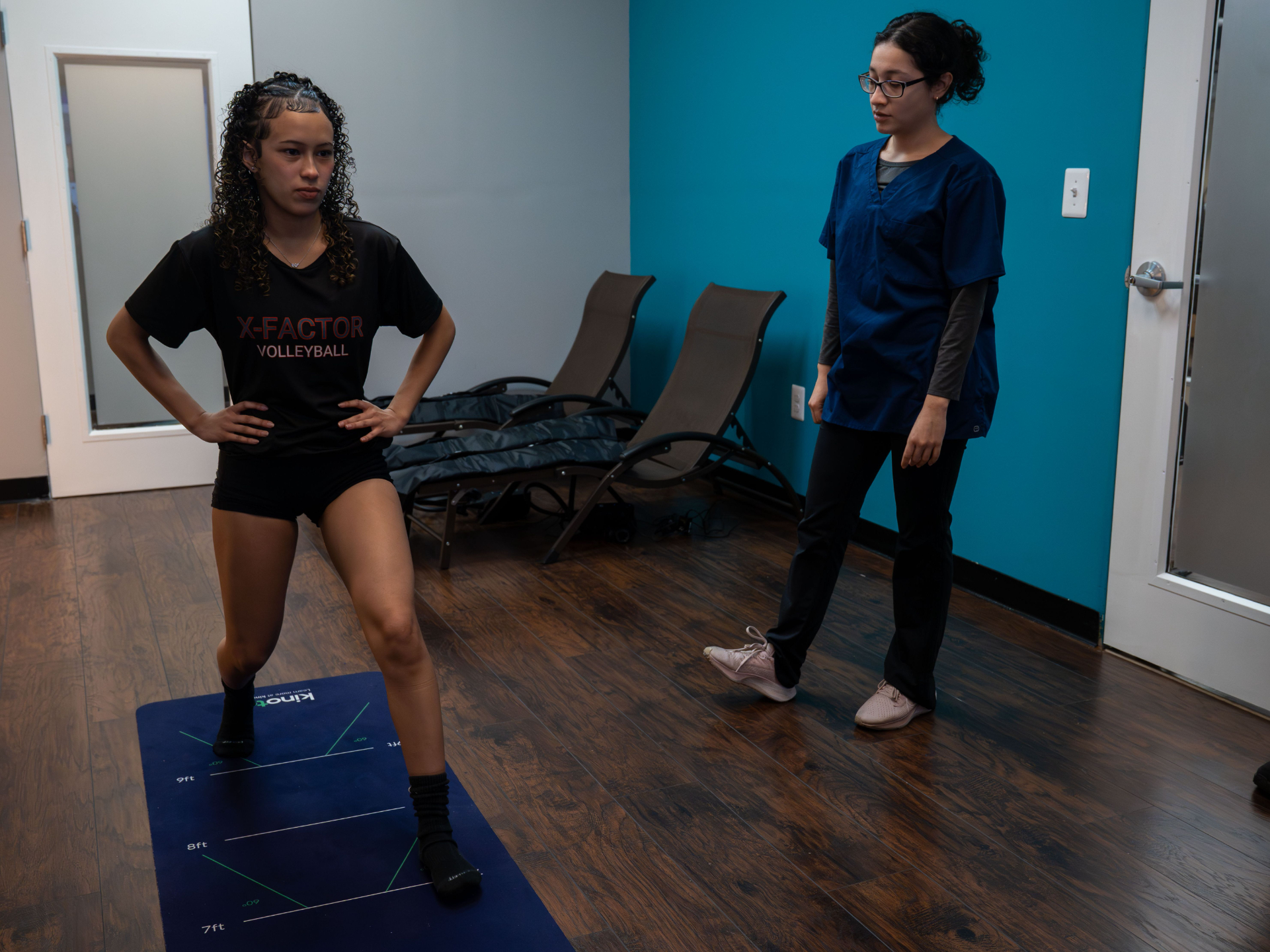
Gain AI-powered motion analysis experience using Kinotek, an advanced camera-based system that captures, analyzes, and visualizes human movement, so you can confidently highlight modern sports rehab technology exposure on your resume and in college applications.
Thank You for Requesting Information About the 3-Day Physical Therapy Clinical Training Camp
We will email the next steps and program details soon so you can decide if it’s the right fit for your student.
By the end of the week, students will:

Receive 10+ Verified Volunteer Hours
Earn supervised volunteer hours—verified and resume-ready—under the guidance of a licensed Doctor of Physical Therapy (DPT), so you can confidently use them on college applications and your resume.

Earn a Certificate of Completion
Receive official documentation verifying you successfully completed the High School Physical Therapy Immersion Academy. An achievement you can confidently include on resumes, college applications, and student portfolios.
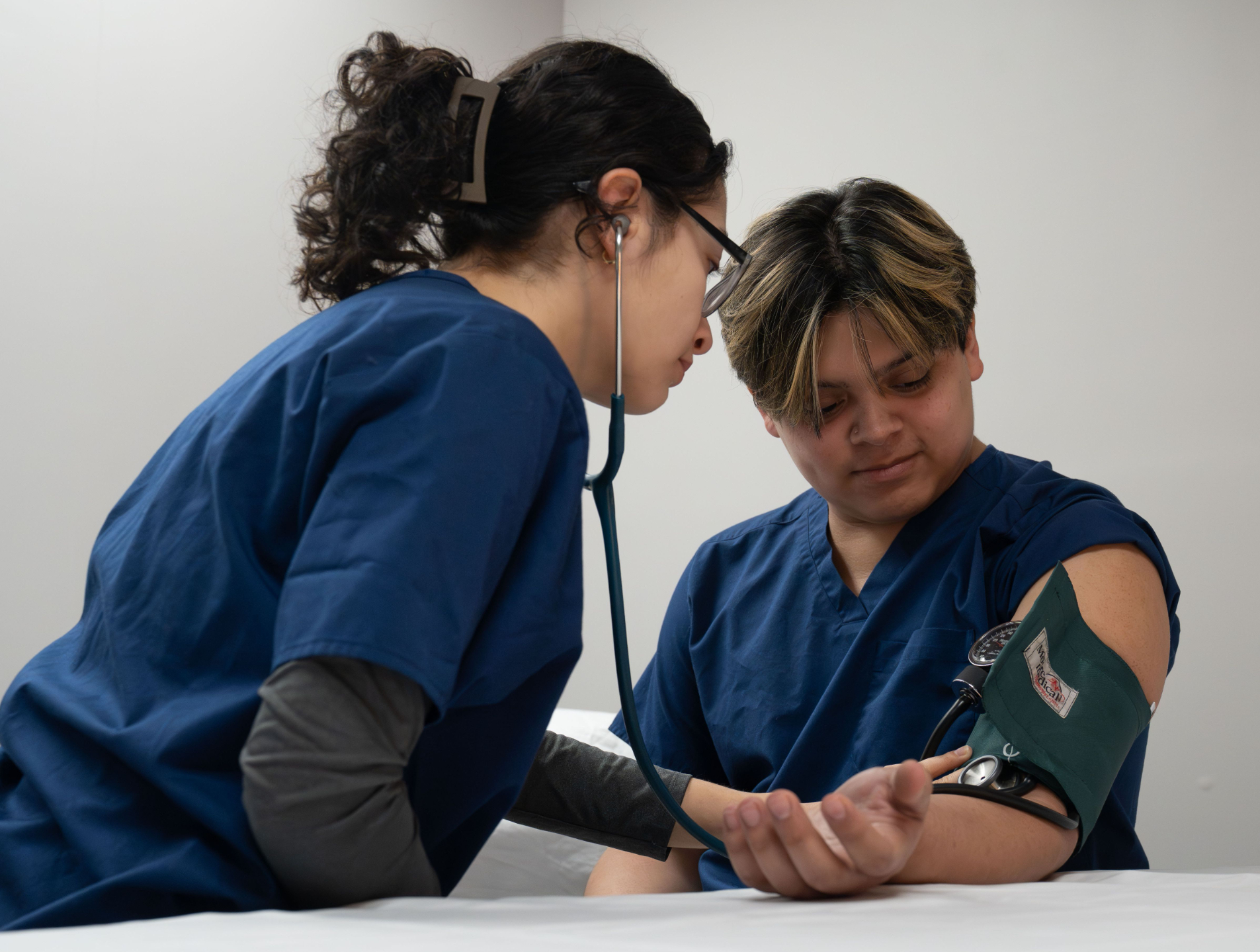
Demonstrate Resume-Ready Clinical Skills
Develop hands-on, supervised physical therapy and sports rehabilitation skills that you can confidently list on a resume and speak about in college interviews or job applications.

Have Ready-Made Resume, Cover Letter & LinkedIn Profile
Leave with professionally written, resume, cover letter, and LinkedIn profile, so you can apply confidently for college programs, scholarships, and entry-level physical therapy technician job opportunities.

Receive Certification Exam Preparation
Complete industry-aligned training that builds confidence and readiness to sit for the American Medical Certification Association (AMCA) Physical Therapy Technician Certification (PTTC) exam, so you can pursue a recognized credential and stand out for jobs and college pathways.

Receive Kinotek AI Movement Analysis Training
Program At-a-Glance
2026 Summer Cohort

Dates and Times
Session 1:
July 13–15, 2026
Session 2:
July 20–22, 2026

Location
Northern Virginia
X-Factor Volleyball Center
7890 Backlick Rd, Springfield, VA 22150

Limited Seats
Limited to 12 Students per Cohort

Tuition
$2500
(includes $50 application fee applied toward tuition)
Payment Plans Available
Step Into an Immersive Physical Therapy Experience
- Students will step into a real clinic-style environment and learn what Physical Therapy and sports rehab actually looks like—hands-on, supervised, and career-focused.
- This is more than just “shadowing.” Students will practice real Physical Therapy Technician skills, learn how rehabilitation decisions are made, and leave with resume-ready experience.

If you’ve been thinking about physical therapy, sports medicine, athletic training, nursing, or pre-med, this academy helps you stop guessing and start experiencing the field. You’ll train in a structured, professional setting where you learn how a Doctor of Physical Therapy assess movement, support recovery, and communicate with athletes and patients. By the end of the week, students won’t just “know about” Physical Therapy, they’ll experience it firsthand, understand what the work feels like, which skills matter most, and whether this path fits them.
Daily Schedule (Typical Day):
9:00am–9:30am | Medical Clinic Briefing & Review
Instructor-led review of prior-day clinical work, patient and athlete updates, key questions answered, and the plan for the day to align learning and hands-on practice.
9:30am–11:00am | Medical Lecture Series — PT Foundations & Medical Terminology
Medical-school style instruction covering PT fundamentals, anatomy and physiology, and clinical terminology, plus patient care, safety, professionalism, ethics, and HIPAA-compliant privacy and confidentiality, built to support preparation for the AMCA Physical Therapy Technician Certification (PTTC) exam.
11:00am–12:00pm | Clinical Skills Lab + Pro Sports Case Application
Hands-on skills training built around sports injury scenarios and pro sports injury video breakdowns, including measuring vitals, ROM measurement with goniometry, Kinotek AI movement analysis, kinesiology taping, exercise rehabilitation protocols, Virtual Reality (VR) clinical training, and safe modalities setup and use under supervision.
12:00pm–1:00pm | Lunch Break
Lunch is provided on-site, giving students time to recharge, connect with peers, and ask informal questions about careers in physical therapy, sports medicine, and healthcare.
1:00–3:30 | Supervised Clinical Practicum (Clinic Floor Training)
Students rotate through supervised PT technician responsibilities, including one-on-one and small-group exercise programming for patients and athletes, exercise support, use of recovery and modalities equipment, clinic and equipment setup, professional communication, and hands-on exposure to real clinic workflow and documentation routines.
3:30–4:00 | End-of-Day Debrief (Feedback + Clinical Takeaways)
End-of-day wrap-up with Q&A, targeted feedback, and a preview of the next day’s learning and hands-on focus.
Verified Clinical Volunteer Hours
Receive 10+ Verified Volunteer Hours (Supervised Clinical Experience)
Students will earn 10+ verified volunteer hours through supervised clinical experience under the guidance of a licensed Doctor of Physical Therapy (DPT). These hours are more than time logged. They build real professionalism, confidence, and credible experience students can use on resumes and college applications.

Students will be trained to:
-
Support clinic workflow and practice professional patient and athlete interactions
-
Assist with supervised therapeutic exercise and safe equipment setup
-
Build clinic-ready habits, including organization, professional communication, and confidence in following multi-step directions in a healthcare setting.
-
Observe how clinicians assess movement and make rehab decisions in real time
-
Participate in end-of-day debriefs to reflect on skills, growth, and next steps
Certificate of Completion
Earn a Certificate of Completion (Documented Achievement)
Students earn an official Certificate of Completion verifying successful participation in the High School Physical Therapy Immersion Academy. This is a concrete, verifiable credential they can confidently include in resumes, portfolios, scholarship materials, and college applications.

Students will be able to use this documentation to:
-
Add a verified achievement to their resume and activities list
-
Strengthen scholarship, internship, and program applications with proof of completion
-
Support interviews with a clear, credible experience they can reference
-
Demonstrate commitment to a healthcare pathway through structured training
Certification Exam Preparation
Certification Exam Preparation (AMCA PTTC)
Students complete industry-aligned training designed to prepare them to sit for the AMCA Physical Therapy Technician Certification (PTTC) exam, helping them pursue a recognized credential pathway while strengthening their resume and preparing them for entry-level job opportunities as a Physical Therapy Technicians.

-
Understand core Physical Therapy technician responsibilities, appropriate scope, and clinic workflow expectations
-
Build foundational knowledge in anatomy, medical terminology, documentation habits, and safety standards
-
Apply key clinical skills from labs to real-world scenarios and case examples
-
Strengthen exam readiness through structured review of exam concepts, procedures, and practice-based scenarios aligned with the certification requirements.
-
Leave with clear, guided next steps to schedule and complete the AMCA Physical Therapy Technician Certification (PTTC) exam, with the option to schedule as early as two weeks after completing the academy.
Resumes & College Applications Advantage
Resume & College Applications: Real Clinical Experience
Students receive training to perform hands-on, supervised Physical Therapy and sports rehabilitation skills, plus leadership opportunities, that they can confidently list on a resume and highlight on college applications, demonstrating readiness for entry-level clinical environments and educational pre-health pathways.

Students will be able to list experience such as:
-
Performing foundational clinical tasks under supervision, including vital signs, basic measurements, and treatment-area setup
-
Assisting with therapeutic exercise sessions and safe equipment use
-
Supporting clinic workflow through organization, cleaning, preparation, and professional communication
-
Building understanding of functional movement concepts and injury rehabilitation protocols through hands-on labs, case-based scenarios, and supervised real-world clinical practice.
-
Demonstrating professionalism employers and colleges value, including reliability, following multi-step directions, and respectful patient and athlete interaction
VR (Virtual Reality) Clinical Skills Practice
VR (Virtual Reality) Headset Training (Simulated Clinical Practice)
Students will have the opportunity to use a VR (Virtual Reality) headset to practice clinical scenarios and skill concepts in an interactive simulation, building confidence and clinical thinking before applying skills in hands-on labs.
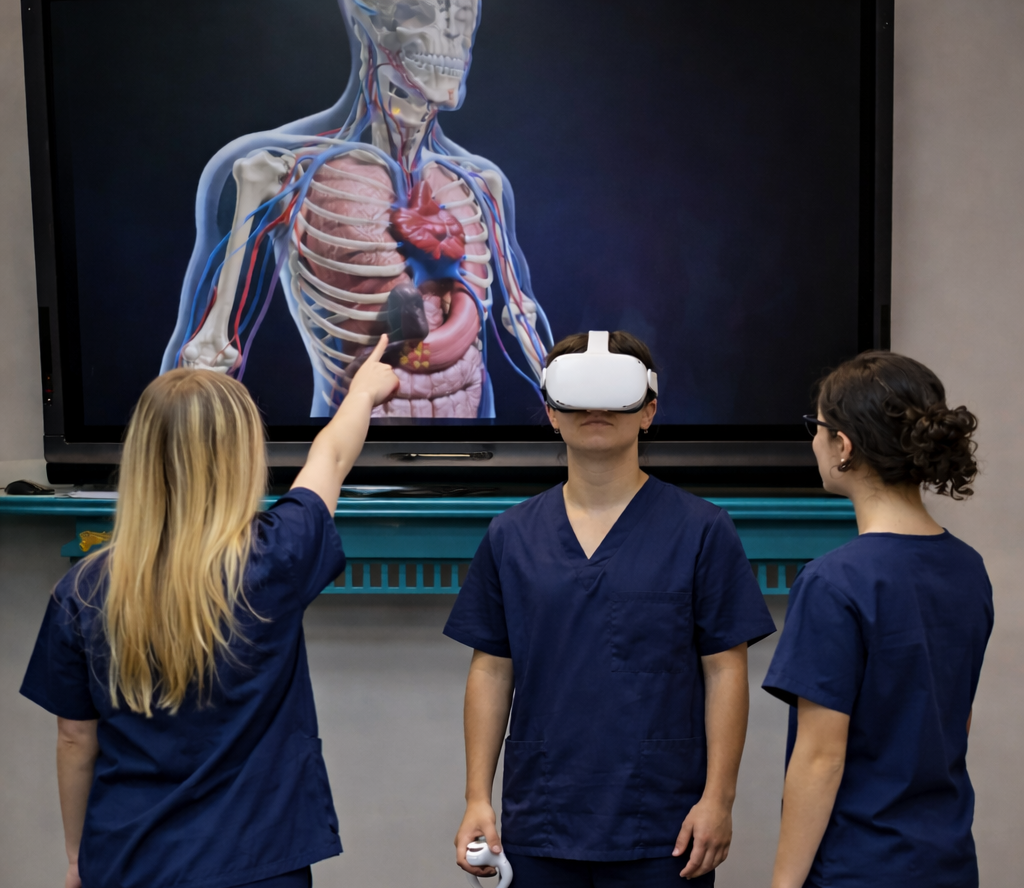
Students can experience:
-
Guided simulations of clinic and sports rehab situations for safe, repeatable practice
-
Immersive learning to better understand anatomy, movement, and injury concepts
-
Decision-making practice that reinforces what to look for, what to do next, and why it matters
-
A modern healthcare technology experience they can confidently highlight on resumes and college applications
Pro Sports Injury Analysis
Pro Sports Injury Analysis (Learn by Breaking Down Real Game Film)
Students will analyze real pro sports injury videos to learn how clinicians think, connecting what happened on the field or court to the rehabilitation plan that follows. This guided, educational breakdown builds clinical reasoning, observation skills, and smarter return-to-sport decision-making.

Students will be trained to:
-
Identify the mechanism of injury and explain why it matters for rehab planning
-
Spot key movement patterns that increase risk, including landing mechanics, cutting strategy, and trunk control
-
Discuss likely structures injured at a foundational level without diagnosing
-
Connect video findings to rehab priorities such as pain control, mobility, stability, strength, and safe progression
-
Practice professional communication by explaining observations clearly, respectfully, and as part of a healthcare team
What Our Students Say:
Jennifer M.
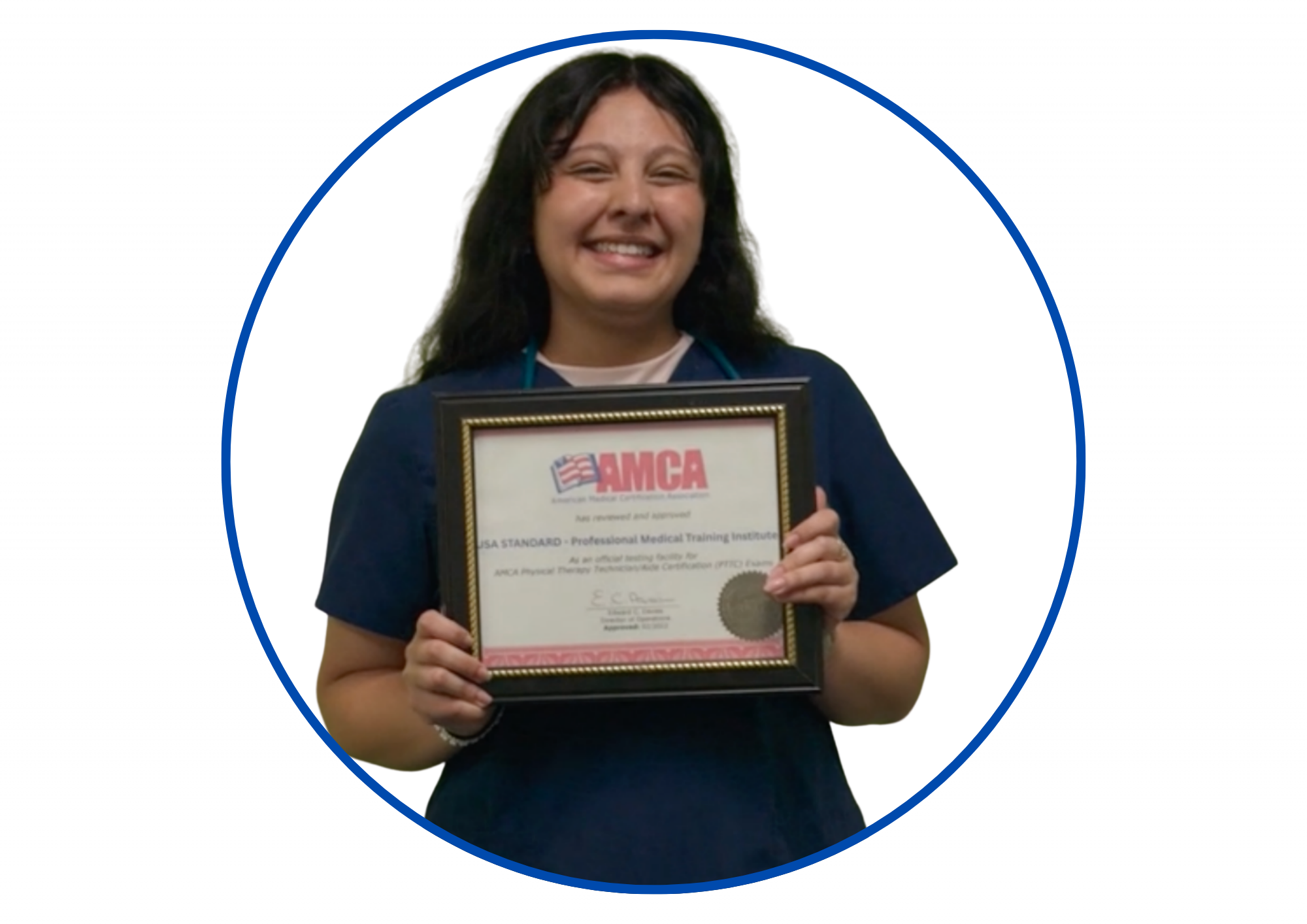
"Before taking the course, I was unsure of my career path. The program made complex topics manageable with interactive lessons and hands-on activities, and I especially enjoyed learning about muscle groups and therapeutic exercises. The certification gave me a competitive edge for internships and confirmed my passion for pursuing physical therapy. For anyone uncertain, I’d say go for it—you may find the direction you’ve been looking for."
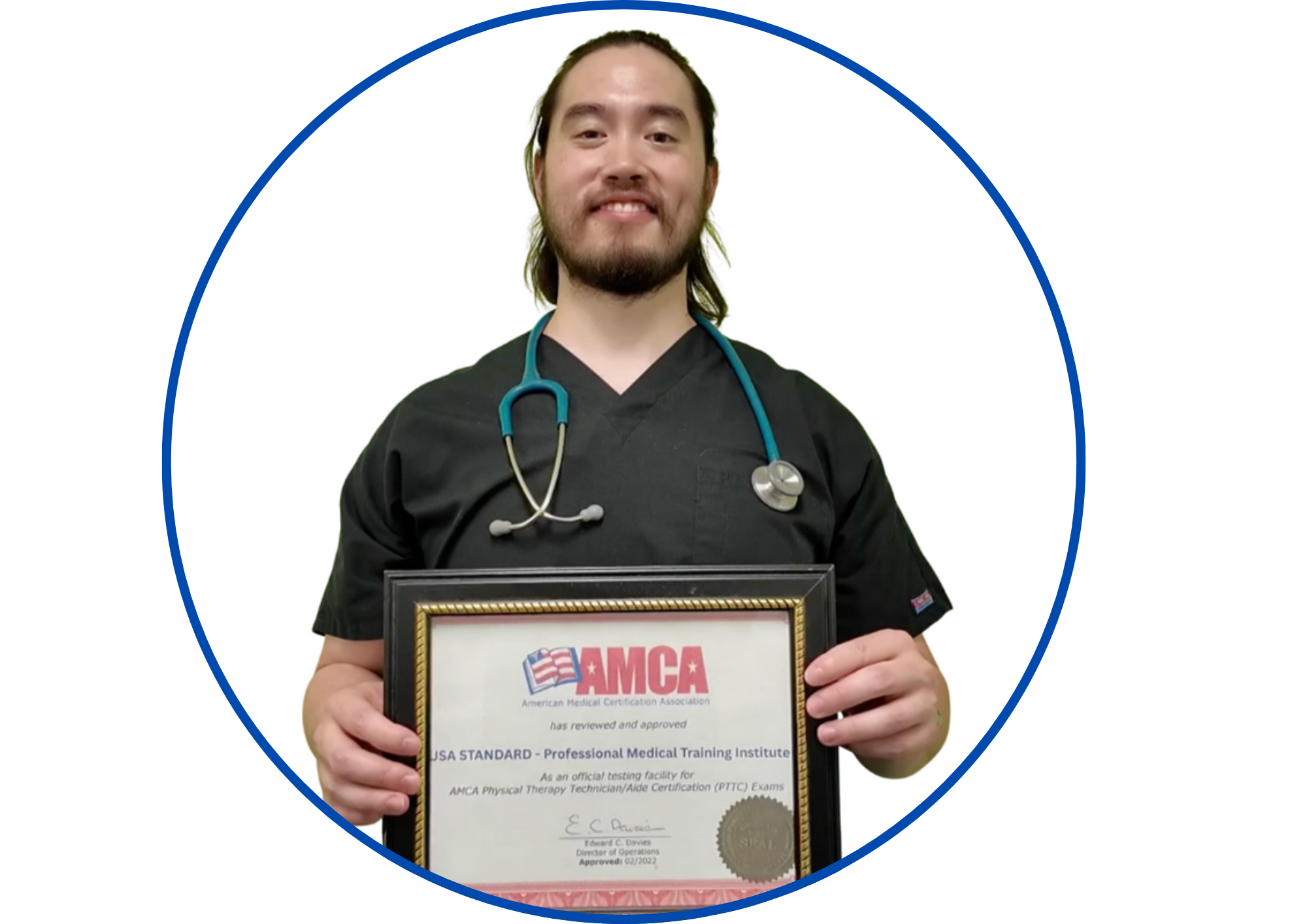
Eddie C.
"As a personal trainer preparing for PT school, I wanted stronger credentials and knowledge. This program fit my schedule, with flexible lessons and clear videos that made complex topics easy to review. I gained essential skills in assessment and therapeutic techniques, and the certification now sets me apart from other applicants while giving me confidence to pursue PT school."
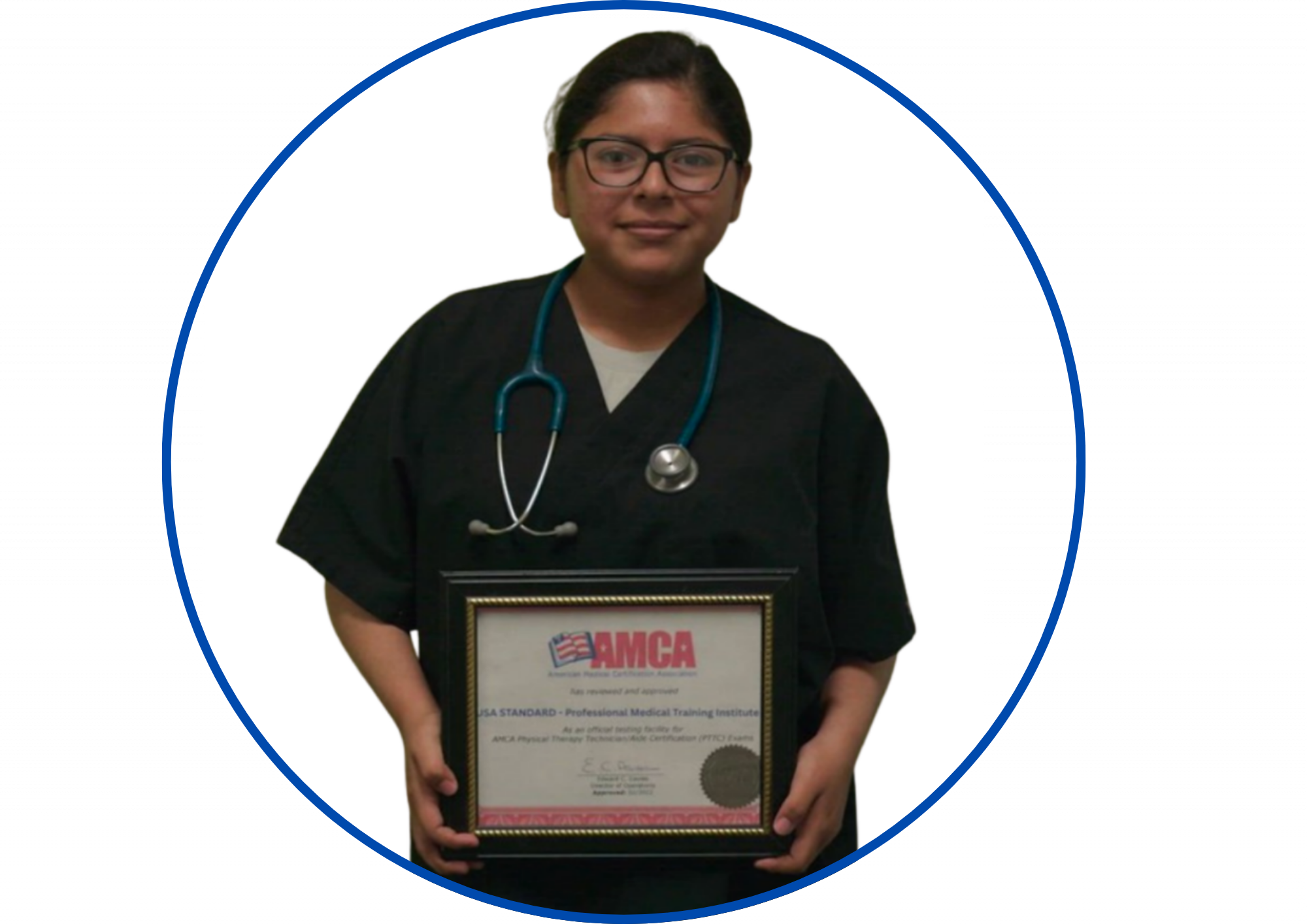
Carol B.
"As a rising high school senior, I took the course to strengthen my college applications and explore healthcare. The lessons were clear, with helpful quizzes and engaging videos, and I gained skills like taking vitals, range of motion assessment, and medical terminology. Even though I’m studying a different field now, the course made my applications stand out and gave me confidence in healthcare conversations."
Northern Virginia’s Most Comprehensive Physical Therapy & Sports Rehabilitation One Week Immersion Experience
The Most Comprehensive Weeklong Physical Therapy Program in Northern Virginia.
Built for Serious Students
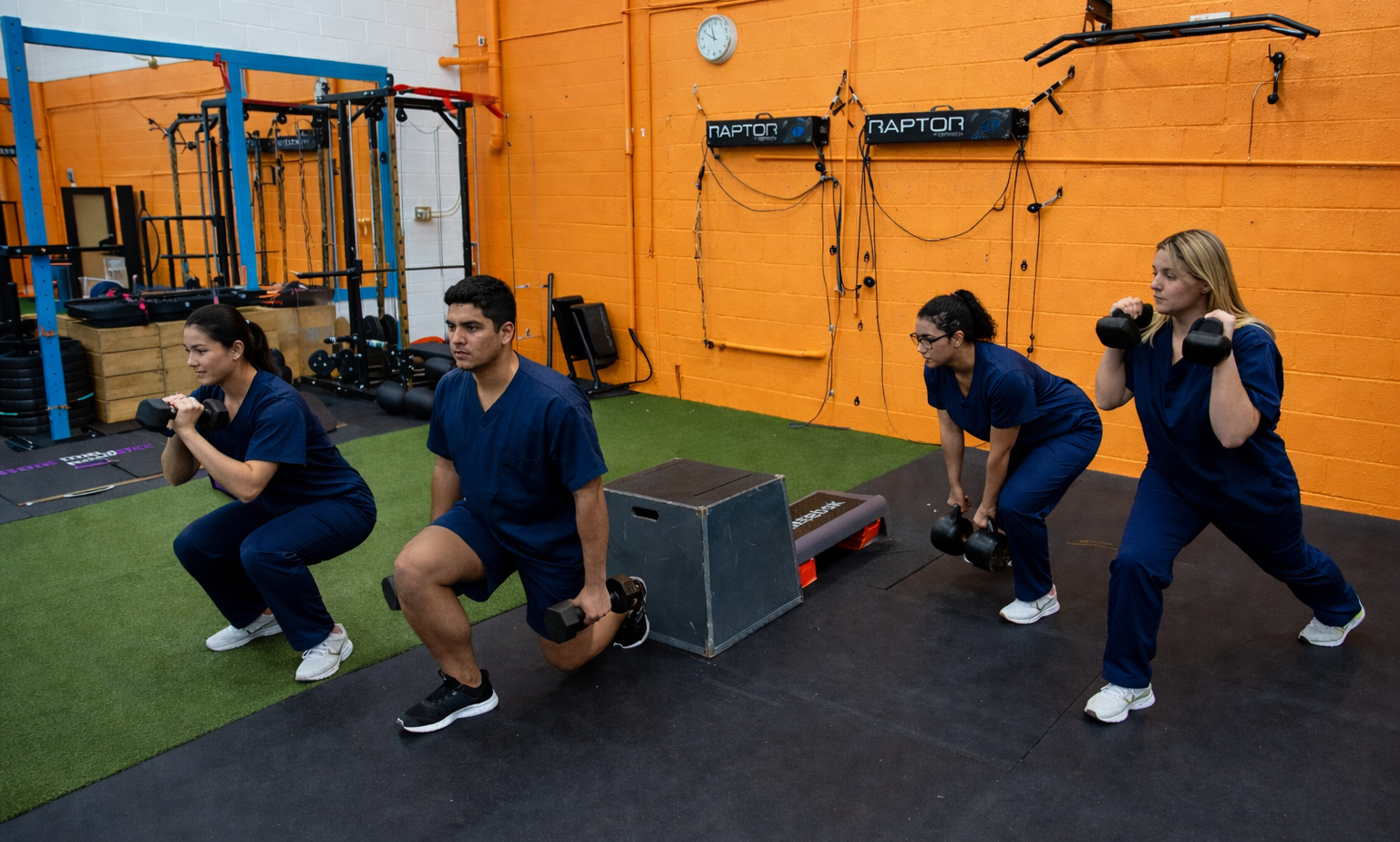
The High School Physical Therapy Immersion Academy is designed to be the most comprehensive weeklong PT experience for high school juniors and seniors in the Northern Virginia area—combining hands-on clinical training, verified volunteer hours, modern sports performance technology, and an industry credential pathway in one structured program.
Why This Program Is Different
-
This is a clinic-style immersion built for serious students who want real-world training, credible outcomes, and a clear next step in healthcare.
Students will experience:
-
A clinic-style structure that teaches professional workflow, expectations, and coaching, not a camp environment
-
10+ verified volunteer hours through supervised experience under a licensed Doctor of Physical Therapy (DPT)
-
Resume and college application outcomes with skills and documented evidence students can clearly communicate
-
A credential pathway with AMCA Physical Therapy Technician Certification (PTTC) exam preparation and industry-aligned training
-
High-impact learning experiences including Kinotek AI movement analysis, pro sports injury video breakdowns, and VR (Virtual Reality) clinical practice opportunities
Bottom line:
Students leave with credible proof of commitment to healthcare and a stronger next step toward college programs or entry-level clinic roles. -
Meet Your Academic Instructor

Dr. Craig Peppers, PT, DPT, owner and founder of Learn PT Online, brings over 20 years of experience developing education programs that prepare students for successful careers in healthcare. He serves as a Physical Therapy Career and Technical Education (CTE) Instructor and an Adjunct Professor at Northern Virginia Community College, combining classroom leadership with real-world clinical insight. His clinical background spans pediatrics, geriatrics, sports medicine, and neurorehabilitation, shaping a curriculum that emphasizes practical skill development, professionalism, and evidence-based decision-making. Dr. Peppers is committed to high academic standards and hands-on training, mentoring students to build both technical proficiency and the critical thinking skills needed to thrive in modern medical environments.
Frequently Asked Questions About the High School Physical Therapy Immersion Academy
Who is this program for?
This academy is designed for high school juniors and seniors who are interested in Physical Therapy, Sports Medicine, Athletic Training, Nursing, Pre-Med, or other healthcare pathways and want real-world, clinic-style exposure.
Do students need prior experience in healthcare or athletic training?
No. Students are taught from the ground up. What matters most is motivation, maturity, and willingness to follow instructions in a professional environment.
Is this a camp or a shadowing experience?
Neither. This is a structured clinical intensive with instruction, skills labs, and supervised clinical practice. Students will be coached, trained, and held to professional expectations.
Who supervises students during hands-on activities?
Students are supervised under the guidance of a licensed Doctor of Physical Therapy (DPT) and trained staff as appropriate for each activity.
How do the 10+ volunteer hours work, and are they verified?
Students earn 10+ verified volunteer hours through supervised clinical experience. Verification documentation can be provided for resumes, portfolios, and college applications.
What will students learn during the week?
Students learn clinic-ready skills and professional habits, including vital signs, movement concepts, injury rehab principles, exercise support, modalities setup (as appropriate), communication, and clinic workflow.
What is Kinotek, and will students actually use it?
Kinotek is an AI-powered motion analysis system that captures and visualizes movement. Students are trained on how it is used so they can discuss and apply movement analysis concepts in future jobs, internships, or educational projects.
What is the Pro Sports Injury Analysis portion?
Students break down real pro sports injury videos to learn how clinicians think, including mechanism of injury, movement patterns, rehab priorities, and return-to-sport decision-making.
Will students use VR (Virtual Reality)?
Students may have the opportunity to use VR (Virtual Reality) headsets to practice simulated clinical scenarios and reinforce anatomy, movement, and decision-making concepts before hands-on labs.
What are the dates and daily hours?
The academy runs March 30 – April 4, 2026. Daily hours are 9:00 AM – 4:00 PM.
Where is the program located?
The academy is held in Northern Virginia at X-Factor Volleyball Center, 7890 Backlick Rd, Springfield, VA 22150. Arrival, parking, and drop-off details are provided after registration/acceptance.
What should students wear and bring?
Students should wear athletic clothing and closed-toe shoes, bring a water bottle, and come ready to participate. A detailed “what to bring” checklist is sent after enrollment.
Is lunch provided?
Yes, lunch is provided on-site each day. Families will have an opportunity to share allergy or dietary needs during enrollment.
How many students are in each cohort?
Cohorts are intentionally limited to 12 students to ensure close supervision, maintain safety standards, and maximize hands-on learning quality.
What is the tuition and application fee?
Tuition is $2,500, and the $50 application fee is applied toward tuition.
What is the American Medical Certification Association (AMCA) Physical Therapy Technician Certification (PTTC) exam, and is it included?
The academy includes American Medical Certification Association (AMCA) Physical Therapy Technician Certification (PTTC) exam preparation and industry-aligned training. Students can choose to schedule the exam separately, with the option to test as early as two weeks after completing the academy (as applicable). Students must be 17 years old at the time they take the exam.
Will students leave with anything to show for the program?
Yes. Students can leave with 10+ verified volunteer hours, a Certificate of Completion, and resume-ready experiences they can confidently document.
How do we enroll or request information?
Click Request Info to receive program details and next steps, or select Enroll Now to reserve a seat (limited availability).
Who supervises students during hands-on activities?
Students are supervised under the guidance of a licensed Doctor of Physical Therapy (DPT) and trained staff as appropriate for each activity.
Who supervises students during hands-on activities?
Students are supervised under the guidance of a licensed Doctor of Physical Therapy (DPT) and trained staff as appropriate for each activity.
Who supervises students during hands-on activities?
Students are supervised under the guidance of a licensed Doctor of Physical Therapy (DPT) and trained staff as appropriate for each activity.
Who supervises students during hands-on activities?
Students are supervised under the guidance of a licensed Doctor of Physical Therapy (DPT) and trained staff as appropriate for each activity.
Who supervises students during hands-on activities?
Students are supervised under the guidance of a licensed Doctor of Physical Therapy (DPT) and trained staff as appropriate for each activity.